
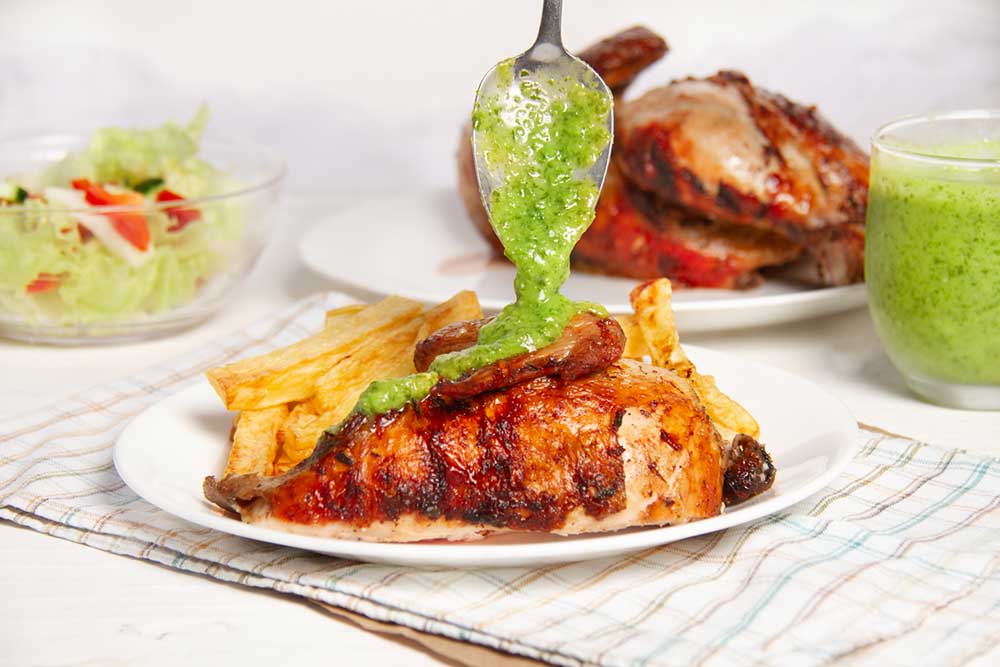
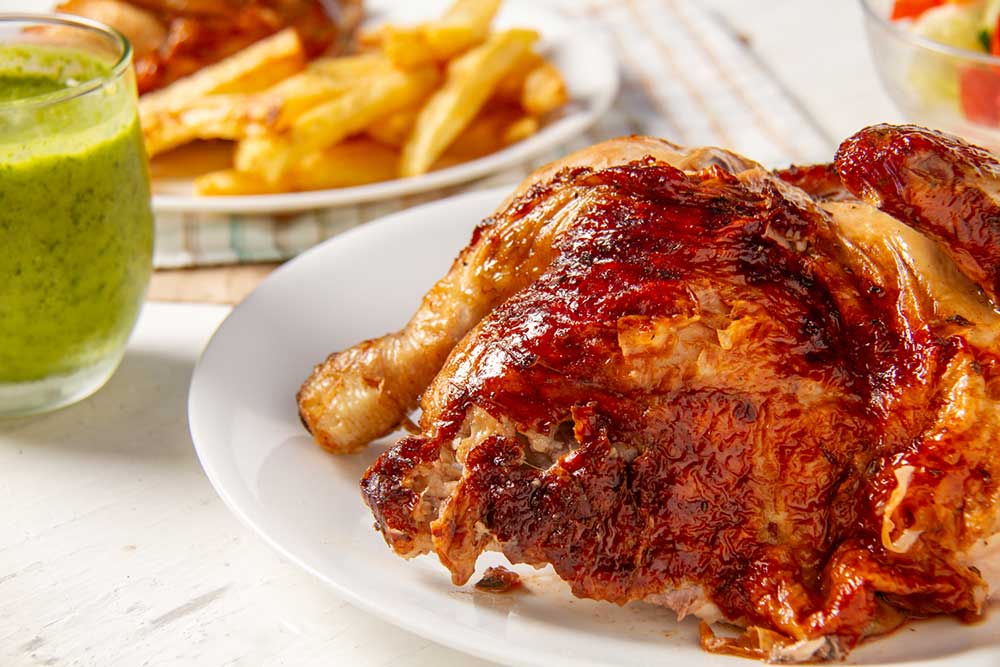
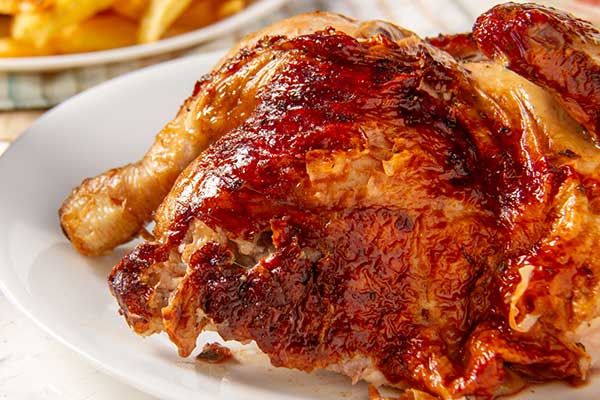
Peruvian grilled chicken, known as pollo a la brasa, is famous for its golden skin, juicy meat, and bold seasonings. This version marinates a whole chicken with garlic, cumin, soy sauce, and lime, then slowly roasts it on a spit above charcoal. Serve it with fresh, spicy ají verde for a Peruvian-inspired meal that makes an excellent centerpiece for a backyard cookout.
Why You’ll Love This Recipe
The combination of a well-seasoned marinade and charcoal heat gives this chicken a rich, savory flavor. Turning the bird on a spit exposes each side to the heat, helping it brown more evenly while the inside cooks through. The hands-on method is simple in principle, although it does require a securely supported spit and close attention to the fire.
A 4–5-pound chicken serves about four to six people, depending on the sides. French fries, salad, and a generous spoonful of ají verde make a particularly good combination.
A Brief History of Pollo a la Brasa
Pollo a la brasa dates to the late 1940s in the Chaclacayo area near Lima, Peru. Swiss immigrant Roger Schuler began roasting chickens on an iron spit over charcoal, an approach that helped inspire the restaurant La Granja Azul. The early preparation was reportedly seasoned simply with salt.
Schuler later worked with fellow Swiss immigrant Franz Ulrich, who developed a rotating oven called the rotombo. It could roast multiple chickens at once and helped make the dish practical for restaurants. Over time, richly seasoned versions featuring ingredients such as cumin, ají panca, soy sauce (sillao), and dark beer became popular.
Today, pollo a la brasa is a Peruvian favorite, celebrated each year on the third Sunday in July for National Pollo a la Brasa Day.
Two Ways to Roast Chicken on a Spit Over Charcoal
Traditional-Style Manual Spit
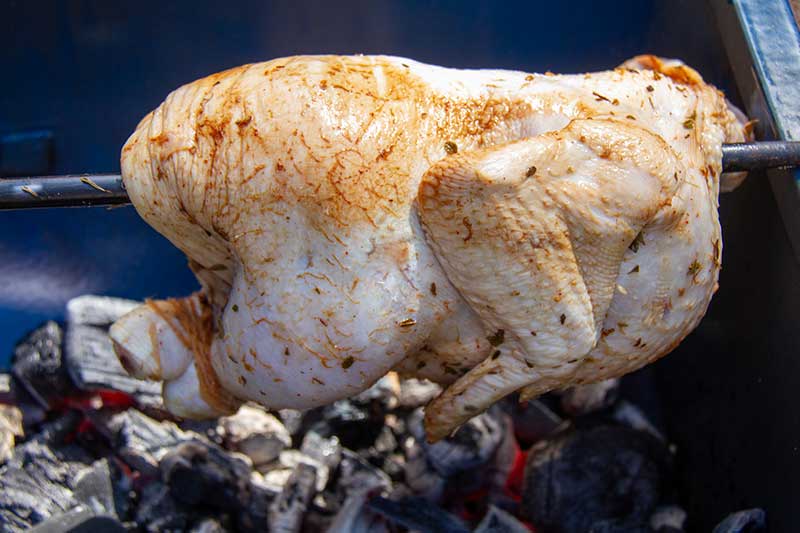
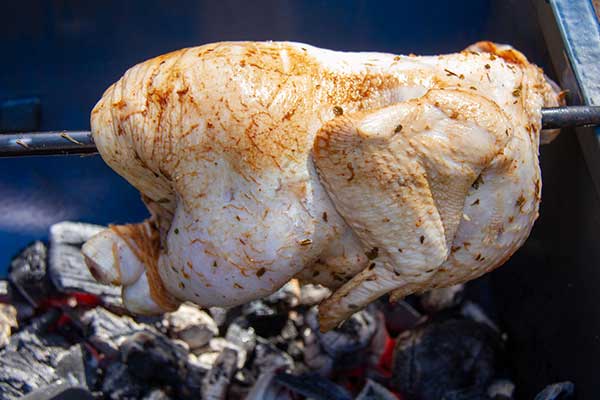
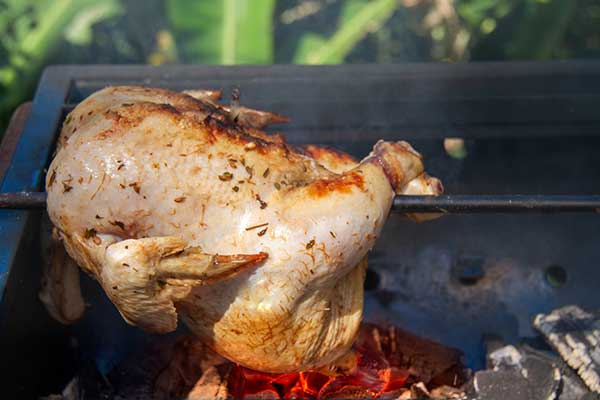
In the original recipe photographs, the whole chicken is threaded onto a single horizontal metal rod suspended over charcoal in an open grill. This is a straightforward, traditional-style method: no motorized rotisserie is visible, and the chicken can be turned by hand every 10 minutes or so. The setup needs a sturdy, food-safe spit, secure supports at both ends, and a way to keep the bird fixed to the rod so it turns with the spit.
The coals sit below the chicken, providing direct radiant heat. To prevent flare-ups and burned skin, keep a safe distance above the coals, distribute the charcoal evenly, and adjust the fire as needed. Never leave a manual spit unattended, and use proper heat-resistant gloves when turning it.
Modern U.S. Kettle Grill with a Rotisserie Ring
For a more familiar American backyard setup, I plan to test this recipe on my 22-inch Weber Master-Touch kettle grill using an Onlyfire rotisserie ring kit. The kit adds a ring, spit, meat forks, and an electric motor to a compatible kettle grill. Instead of turning the chicken by hand, the motor rotates it continuously beneath the closed grill lid.
For this setup, I plan to arrange the charcoal to the sides rather than directly under the chicken, leaving room below it for drippings and reducing flare-ups. A grill temperature of roughly 350–375°F is a reasonable starting target, but the exact coal arrangement, temperature, and cooking time will need to be confirmed during testing. I’ll add photos and final Weber-specific details after that cook.
Ingredients You’ll Need
The chicken marinade uses ingredients available at most U.S. grocery stores. Soy sauce—called sillao in Peru—adds saltiness and savory depth, while lime, vinegar, garlic, cumin, and oregano round out the flavor. Dark beer and ground ají panca are optional, but add complexity and a more Peruvian character.
Ají panca is a mild, earthy Peruvian red chile. Look for dried, ground ají panca rather than ají panca paste; the two products are not identical. For the paprika, use regular paprika for a mild marinade, or hot paprika if you prefer more heat. White vinegar is a convenient choice.
The ají verde here is a simple, oil-based green sauce made with fresh peppers, cilantro, garlic, and lime. It is lighter and less creamy than versions made with mayonnaise. Fresh Peruvian green ají peppers may be difficult to find in the United States, so jalapeños are an accessible substitute. Remove the seeds and membranes for less heat. Cilantro works well here; if you have access to culantro, it has a stronger flavor and should not be substituted in the same volume.
Recipe Notes
- Choose a whole chicken weighing about 4–5 pounds. Keep the skin intact for better browning.
- Do not rinse raw chicken; washing can spread bacteria around the sink. Remove the giblets and pat the bird dry with paper towels.
- Marinate the chicken in the refrigerator for at least 12 hours, turning once or twice if practical. A covered nonreactive dish or food-safe bag works well.
- Use a sturdy spit with proper support and a way to secure the chicken. A loose bird can slip around the rod rather than rotate with it.
- Keep a close eye on charcoal intensity, especially with the open manual-spit method. Move or spread coals as needed to manage flare-ups.
- Cook to temperature, not appearance or time alone: the thickest parts of the breast and thigh must each reach at least 165°F (74°C), without the thermometer touching bone.
- Ají verde can be made milder by removing pepper seeds and membranes. Add a little more lime juice or oil to adjust its flavor and consistency.
How to Make Peruvian Charcoal-Grilled Chicken with Green Sauce
Prepare the chicken
Remove the giblets, pat the chicken dry, and mix the marinade ingredients together. Coat the chicken thoroughly, including the cavity where practical.
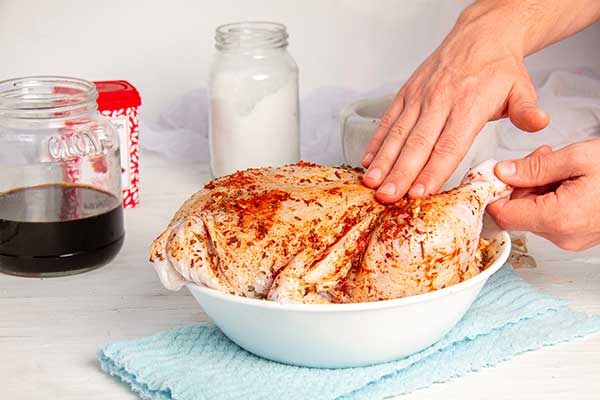
Marinate the Chicken
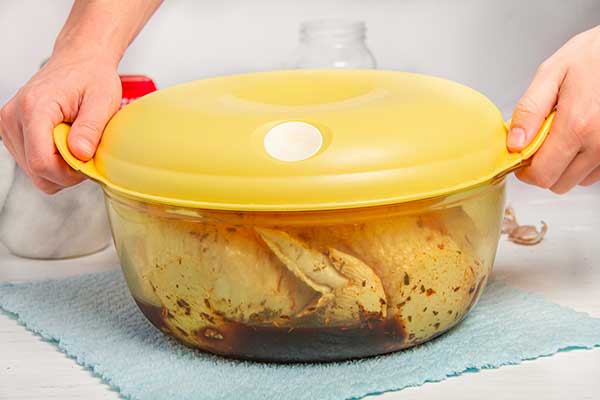
Cover and refrigerate for at least 12 hours. Before cooking, remove the chicken from the marinade and discard the used marinade. There is no need for a second coating of dry seasonings.
Secure the chicken on the spit
Tie the legs together with kitchen twine and tuck or secure the wings so they do not flop toward the coals. Thread the spit lengthwise through the cavity, then fasten the chicken securely using spit forks or another manufacturer-approved retaining system. Check that the chicken rotates with the rod before placing it over the fire.
Roast over charcoal
For the traditional-style open manual setup, rest the spit securely on its supports above a stable bed of charcoal. Turn the chicken approximately every 10 minutes, adjusting the height or coals as necessary to prevent burning. The original recipe suggests around 90 minutes, but actual cooking time may be shorter or longer depending on the fire and the chicken.
For a kettle-grill rotisserie, follow the accessory’s setup instructions, use a side-bank or other indirect charcoal arrangement, and allow the motor to turn the spit continuously. Use the grill lid and vents to regulate heat. These kettle-specific settings are provisional until tested.
Check doneness and rest
Begin checking the temperature before the estimated finish time. Remove the chicken when both the breast and thigh reach 165°F (74°C). Rest for 10–15 minutes before carving.
Blend the ají verde (green sauce)
While the chicken is resting...
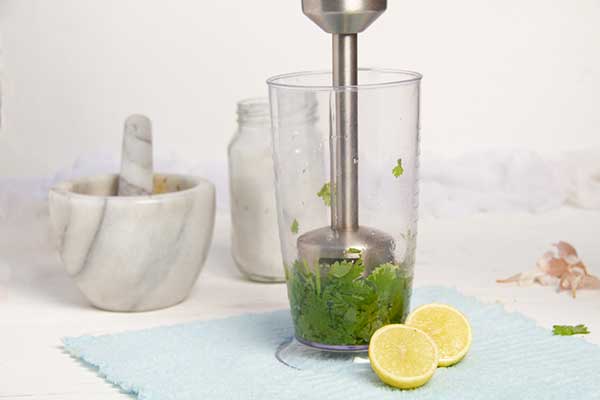
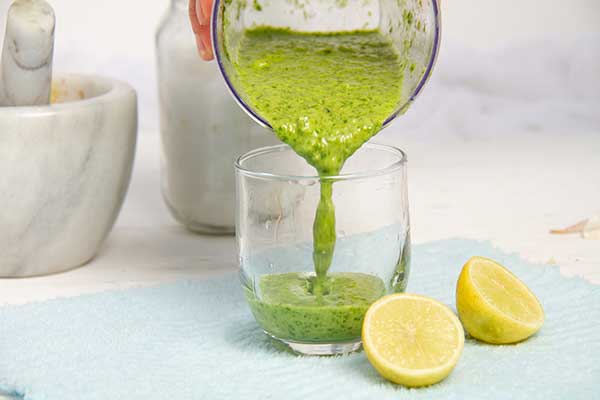
Combine the peppers, garlic, cilantro, lime juice, vegetable oil, and salt in a tall, narrow container. Blend with an immersion blender until smooth. Taste and adjust the salt, acidity, or heat. If making ahead, keep the sauce refrigerated until serving.
Serve and enjoy
Tips for Success
- Manual spit: use gloves and avoid turning the rod with bare hands; keep all supports stable and clear of flames.
- Kettle rotisserie: confirm that the ring seats properly and the lid and spit rotate freely before lighting charcoal.
- Use a thermometer rather than relying on the meat pulling away from the bone.
- Refrigerate cooked leftovers promptly and use within 3–4 days.
Recommended Side Dishes
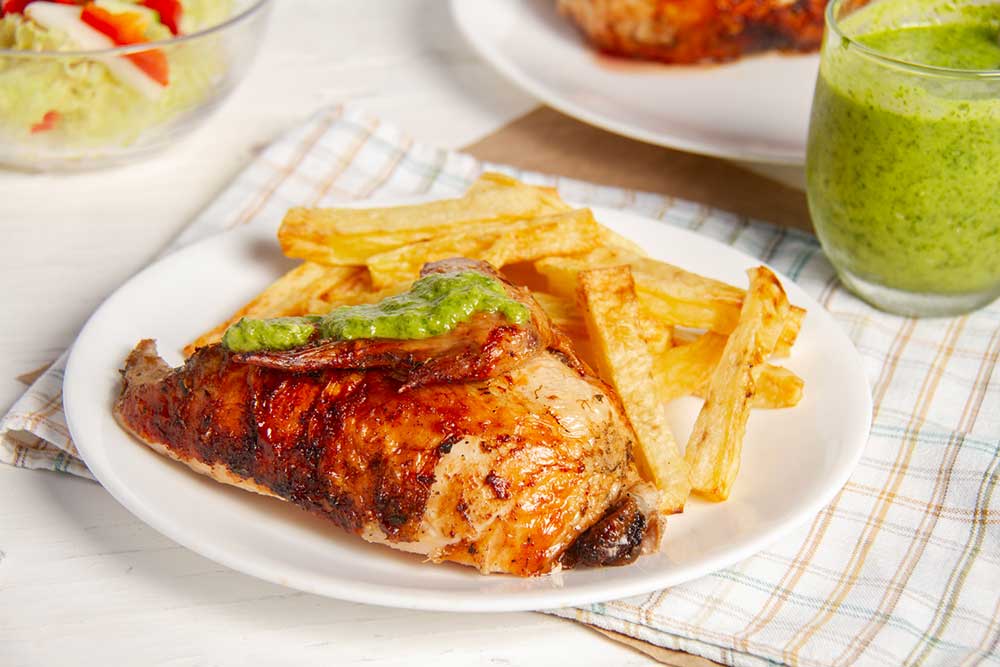
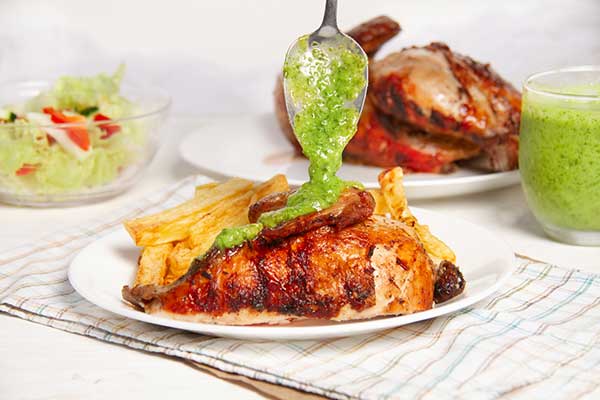
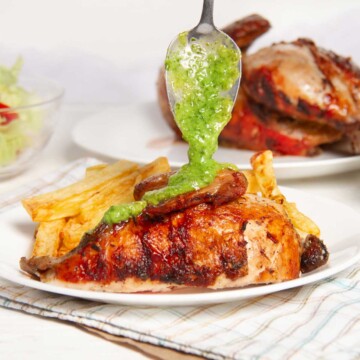
Serve pollo a la brasa with French fries and a fresh salad of lettuce, tomato, cucumber, and shredded carrot. Fried plantains are another tasty option. Spoon ají verde alongside the chicken or use it as a dipping sauce for the fries.
Peruvian Charcoal-Grilled Chicken with Green Sauce (Ají Verde)
Equipment
- 1 Charcoal grill with rotisserie
Ingredients
Ingredients — Chicken
- 4.5 lb whole chicken about 4-5lbs with giblet removed
- 6 garlic cloves crushed
- ¼ cup soy sauce
- 2 teaspoon ground cumin
- 2 teaspoon dried oregano
- 1 tablespoon paprika (regular or hot - to taste)
- ¼ cup lime juice (about 2-4 limes)
- 2 tablespoon white vinegar
- 3 bay leaves
- 1 teaspoon ground black pepper
- ½ cup dark beer (optional)
- 1 teaspoon kosher salt
- 1 teaspoon dried ground aji panca (optional)
Ingredients — Ají Verde
- 2 fresh aji peppers or jalapenos, stems removed
- 1 garlic clove
- 1 cup loosely packed fresh cilantro
- juice of 1 lime
- ½ cup neutral vegetable oil
- salt, to taste
Instructions
- Remove the giblets from the chicken and pat the bird dry with paper towels. Do not rinse.
- Mix the garlic, soy sauce, cumin, oregano, paprika, lime juice, vinegar, bay leaves, black pepper, optional beer, kosher salt, and optional ground ají panca. Coat the chicken with the marinade.
- Place the chicken in a covered, nonreactive dish or food-safe bag and refrigerate for at least 12 hours, turning once or twice if possible.
- Remove the chicken from the marinade and discard the used marinade and bay leaves. Tie the legs together, secure the wings, and fasten the chicken firmly to a sturdy, properly supported spit.
- For an open manual-spit setup, suspend the chicken above a bed of charcoal and turn approximately every 10 minutes, adjusting the fire to prevent burning. For a compatible kettle rotisserie, follow the kit directions and rotate continuously over an indirect charcoal arrangement.
- Roast until a food thermometer registers at least 165°F (74°C) in the thickest breast and thigh, without touching bone. Allow roughly 60–90 minutes as an initial estimate, but cook to temperature rather than time.
- Transfer the chicken to a clean platter and rest for 10–15 minutes.
- While the chicken rests, combine the ají verde ingredients in a tall container and blend until smooth. Taste and adjust the seasoning.
- Carve the chicken and serve with ají verde, French fries, and a fresh salad.

Leave a Reply