
First aid often involves the treatment of a wound that has penetrated the body’s protective covering, i.e., the skin. Anytime you are doing anything that bypasses the skin barrier, you should automatically think “aseptic” technique.
The definition of aseptic is “without microorganisms.” Whenever organisms from the outside are introduced inside the body, you need to take precautions.
Aseptic precautions remove or kill microorganisms from hands and objects, use sterile instruments and other items, and reduce the risk of exposure to infection. These techniques include hand-washing, wound cleaning, creating a personal barrier by the use of mask and gloves, creating a sterile working space and obtaining aseptic instruments with which to work.1
Dr. James Hubbard, author of “Living Ready Pocket Manual FIRST AID: Fundamentals for Survival,” provides several methods to sterilize instruments.
“In an emergency, in fact, it’s difficult to keep wounds from getting contaminated. Initially, the main purpose is to save a life, so that’s not so much of a problem, but the longer a wound stays contaminated, the more likely it is to get infected. So when you’ve stopped the bleeding, stabilized the situation, and cleaned the wound, now’s the time to start thinking about making sure the implements you use are sterile. Unless you have a commercial autoclave and a power source, or some prepackaged sterile products, you’re going to have to make do with what you have and sterilize the best you can. Before you sterilize, always clean any obvious debris off your instruments. Clean with soap and water or alcohol. Use a cloth or brush if needed.”
Quick Methods for Sterilization
These do not require a solar oven.
Heating the instrument. Hold the part that’s going to touch the injury over an open flame. If the handle is also metal, find something to hold the instrument with so you don’t burn your fingers. Heat until the metal turns red; that’s long enough. Then let the instrument cool, and you’re ready. If I have alcohol, I also like to dip the instrument in that just for good measure.
Using a disinfectant. If you don’t have fire and you’re in a hurry, you can wipe the instrument off with a clean cloth soaked in iodine, povidone-iodine (Betadine) or alcohol. No clean cloth? Dip the instrument in the solution and stir it for ten seconds.
Sterilization Methods that Take Longer
Boiling. This is a good method for larger instruments or those that might melt under the flame. Let the instrument soak in boiling water for 20 minutes.
Use a disinfectant for a longer amount of time. Soaking the instrument in disinfectant for 20 minutes is better than the wiping/dipping method.
Sterilization Methods with a Solar Oven
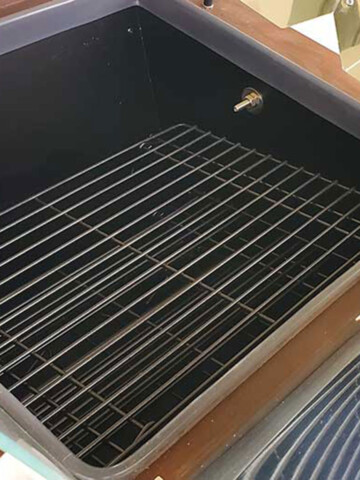
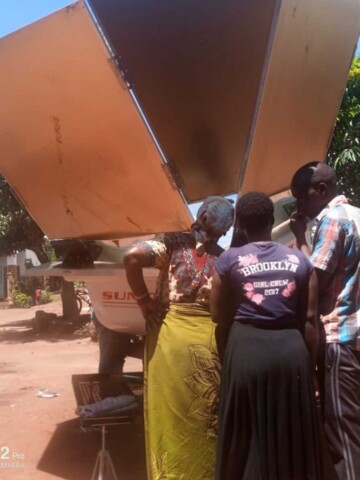
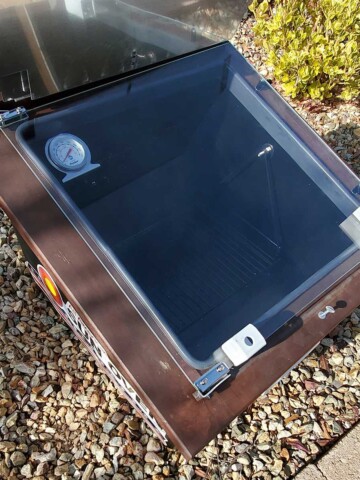
The Wet Method. Water containing medical instruments can be boiled in your solar oven to achieve sterilization via the “wet method.”
The Dry Method. Dry heat sterilization can be obtained by using your solar oven. Wrap instruments in a clean towel, enclosing all edges. Preheat the solar oven to 350º F. place the package inside the oven and seal the door. The Dry-heat sterilization process is accomplished by conduction where heat is absorbed by the exterior surface of an item and then passed inward to the next layer. The proper time and temperature for Dry-heat sterilization is at least 320º F for 2 hours.
Note on the dry heat method - notice that it requires high temps in the solar oven. Not all solar ovens are created equal and some cannot attain temps over 300 degrees. If that's the case with yours, you may not want to attempt this method.

Leave a Reply